Description
How to Start a Fashion Brand Course Overview
Our How to Start a Fashion Brand Course is an intensive two-day program designed for aspiring fashion entrepreneurs, emerging designers, and new brand owners who want to transform an idea into a clear and realistic business concept.
Launching a fashion brand requires much more than designing attractive garments. A strong brand needs a defined customer, recognizable identity, well-planned product offer, realistic pricing, reliable production strategy, and a clear plan for marketing and sales.
During this intensive program, participants will work through the complete process from brand concept and market positioning to collection planning, product development, sourcing, production, pricing, communication, and launch strategy.
The course combines creative direction with practical business and production knowledge so participants can understand not only what they want to create, but also how to position, produce, price, communicate, and sell it.
By the end of the program, each participant will leave with a defined fashion brand concept, mini collection plan, pricing structure, production understanding, and practical roadmap for taking the brand to market.
Course Details
Duration: 2 Days — 7 hours per day (14 hours total)
Approach: 60% Theory / 40% Practical
Level: Beginner to Intermediate
Final Outcome: A structured fashion brand concept, mini collection plan, pricing direction, production strategy, and launch roadmap.
Course Objective
The objective of this How to Start a Fashion Brand Course is to guide participants step by step through the creation of a fashion business, combining creative direction, brand strategy, product development, production knowledge, pricing, marketing, and launch planning.
Participants will learn how to:
- Understand the structure of the fashion industry.
- Identify a market opportunity and define a clear brand concept.
- Create a recognizable brand identity and positioning.
- Define the target customer.
- Research competitors and identify market gaps.
- Develop a professional mood board and creative direction.
- Plan a coherent first collection.
- Understand sampling, sourcing, and production processes.
- Build a realistic pricing structure.
- Choose appropriate selling channels.
- Create a marketing and launch strategy.
Day 1 — Brand Foundation & Creative Development
Module 1 — Understanding the Fashion Industry
The program begins with an overview of the fashion system and the different ways brands position themselves within the market.
- Understanding luxury, ready-to-wear, fast fashion, niche, and independent fashion models.
- How fashion brands position themselves.
- How customer expectations change according to market level.
- Identifying potential market gaps and opportunities.
- Understanding the difference between creativity and commercial viability.
- Reviewing examples of successful brand positioning.
This module helps participants understand where their future brand could sit within the fashion market before they begin developing products.
Module 2 — Brand Identity & Positioning
A strong fashion brand needs a clear identity that customers can recognize and understand.
- Defining your brand DNA.
- Identifying your target audience.
- Understanding who you are designing for.
- Defining brand values.
- Establishing tone of voice.
- Creating visual identity direction.
- Exploring brand naming.
- Building a clear brand story.
- Understanding premium, contemporary, commercial, luxury, streetwear, and niche positioning.
Practical Exercise
Participants will develop a Brand Identity Board summarizing the personality, customer, visual direction, values, and positioning of their proposed brand.
Module 3 — Market Research & Competitor Analysis
Before entering the market, a new fashion brand needs to understand who already serves the same customer and where opportunities may exist.
- How to identify direct and indirect competitors.
- How to analyze competitor products.
- Comparing price points.
- Understanding local versus international positioning.
- Evaluating brand strengths and weaknesses.
- Recognizing market opportunities.
- Understanding trends versus timeless concepts.
- Avoiding direct imitation while learning from competitors.
Practical Exercise
Participants will complete a SWOT Analysis covering the strengths, weaknesses, opportunities, and threats related to their proposed fashion brand.
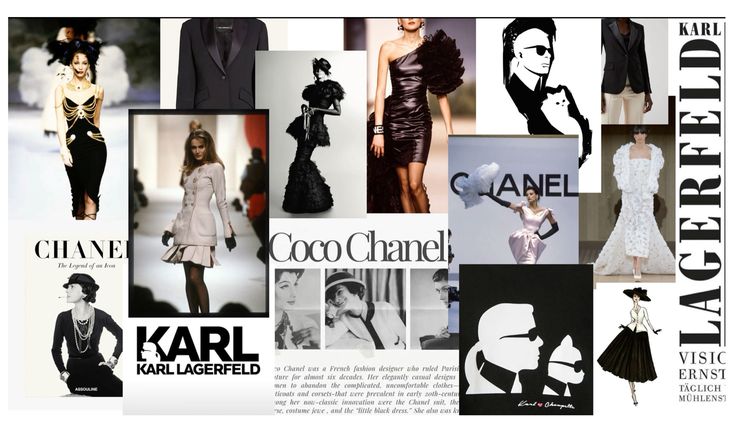
Module 4 — Mood Boards & Creative Direction
The mood board creates the visual foundation for the brand and its first collection.
- How to build a professional fashion mood board.
- Researching inspiration with a clear purpose.
- Developing a coherent visual direction.
- Creating colour palettes.
- Defining fabric and texture direction.
- Translating inspiration into a recognizable design concept.
- Connecting the mood board to the target customer and brand identity.
Practical Exercise
Participants will create a digital or physical mood board representing the creative direction of their fashion brand and first collection.
Module 5 — Collection Planning
A first collection should be focused, balanced, and realistic to produce.
- Determining how many pieces to develop.
- Understanding minimum order quantity considerations.
- Building a balanced product mix.
- Tops, bottoms, dresses, coordinated sets, statement pieces, and commercial basics.
- Designing for the target customer.
- Balancing creativity and commerciality.
- Creating product consistency across the collection.
- Considering price point while designing.
- Reducing unnecessary complexity in a first collection.
Practical Exercise
Participants will define a mini collection of approximately 5–10 looks or products aligned with their brand concept and target market.
Day 2 — Business, Production & Launch
Module 6 — Product Development
The second day begins by examining how a design moves from an idea or sketch into a real garment.
- Moving from sketch to product development.
- Understanding the role of technical development.
- Fabric sourcing.
- Local versus international sourcing options.
- Sampling and prototype development.
- Planning realistic sampling timelines.
- Fittings and corrections.
- Approving the final sample before production.
- Understanding how fabric, construction, and design decisions affect cost.
Participants will learn why strong product development is essential before committing to production quantities.
Module 7 — Production & Manufacturing
A reliable production strategy can determine whether a new brand succeeds or struggles.
- How to evaluate and choose manufacturers.
- Understanding Minimum Order Quantity (MOQ).
- Small production versus larger production runs.
- Communicating clearly with manufacturers.
- Managing production costs.
- Establishing basic quality standards.
- Monitoring production quality.
- Understanding lead times.
- Common mistakes new fashion brands make during production.
- The importance of approvals before bulk production.
This module gives participants a practical understanding of the relationship between design, cost, quantity, quality, and delivery.
Module 8 — Pricing Strategy
Pricing should support both the financial sustainability and positioning of the brand.
- Understanding garment cost.
- Fabric costs.
- Trims and accessories.
- Labour and manufacturing.
- Sampling expenses.
- Packaging and operating costs.
- Basic overhead considerations.
- Profit margin.
- Premium versus competitive pricing.
- Understanding perceived value.
- Pricing for the Egyptian market.
- Considering international market expectations.
Practical Exercise
Participants will develop a preliminary pricing structure for selected products within their proposed collection.
Module 9 — Branding, Marketing & Sales
A fashion brand needs a strong market presence and a clear way for customers to discover, understand, and purchase its products.
- Building a professional brand presence.
- Instagram strategy.
- Website and e-commerce basics.
- Showroom and atelier presentation.
- Content planning.
- Reels and short-form video.
- Campaign concepts.
- Brand storytelling.
- Visual merchandising fundamentals.
- Online sales through platforms such as Shopify and social media.
- Offline sales through ateliers, showrooms, pop-ups, and events.
- Choosing selling channels according to customer behaviour and brand positioning.
Module 10 — Launching Your Fashion Brand
The final module focuses on how to take the brand and first collection to market.
- Planning the launch of the first collection.
- Creating anticipation before launch.
- Building demand through storytelling.
- Organizing launch content.
- Working with influencers when appropriate.
- Working with stylists and creative professionals.
- Presenting the first collection professionally.
- Managing early customer relationships.
- Collecting feedback after launch.
- Using first-season results to improve the next collection.
Final Practical Exercise
Each participant will present a Brand Concept, Mini Collection, Pricing Direction, Production Strategy, and Initial Launch Plan.
Final Course Outcome
By the end of this How to Start a Fashion Brand Course, participants will have developed:
- A complete fashion brand concept.
- A defined target customer.
- Brand identity and positioning direction.
- A competitor and SWOT analysis.
- A professional mood board.
- A mini collection plan.
- Initial sourcing and production direction.
- A preliminary pricing strategy.
- A marketing and sales direction.
- A practical roadmap for launching the brand.
Who Is This Course For?
This program is suitable for:
- Aspiring fashion entrepreneurs.
- Designers planning to launch their own label.
- New clothing-brand owners.
- Fashion students interested in entrepreneurship.
- Creative professionals entering the fashion industry.
- Existing brand owners who need clearer positioning.
- Entrepreneurs who have an idea but do not know how to structure the business.
- Designers who need a better understanding of production, pricing, and selling.
The program is designed for beginner and intermediate levels.
Entry Requirements
No previous professional fashion-business experience is required.
Participants may attend with an existing idea, brand name, mood board, or collection concept, but this is not compulsory.
The program begins with the fundamentals and guides participants through the process step by step.
Skills You Will Develop
- Fashion market analysis.
- Brand identity development.
- Customer profiling.
- Competitor analysis.
- SWOT analysis.
- Creative direction.
- Collection planning.
- Product development awareness.
- Production planning.
- Cost and pricing analysis.
- Marketing strategy.
- Sales-channel planning.
- Fashion-brand launch strategy.
Certificate
Participants who complete the full two-day program and final project will receive:
Fashion Brand Development Certificate
Level: Beginner to Intermediate
Why Learn How to Start a Fashion Brand at Italian Fashion Studio?
Italian Fashion Studio approaches brand creation from the perspective of both creative development and real fashion-industry execution.
The program connects branding and collection planning with sourcing, sampling, production, pricing, marketing, and sales. This helps participants understand the complete journey from concept to market rather than treating each stage as a separate subject.
The objective is to help participants make better decisions before investing heavily in products, production, or marketing.
Turn Your Fashion Idea Into a Real Brand
A successful fashion brand begins with more than a logo or a beautiful collection. It requires a clear customer, recognizable identity, commercially relevant products, realistic costs, reliable production, and a strong reason for customers to choose it.
Join our How to Start a Fashion Brand Course and learn how to build the foundations of your fashion business from concept to market.
By the end of the two-day intensive program, you will leave with a clearer strategy and practical roadmap for developing, producing, pricing, marketing, and launching your brand.
Hassan Ahmed –
Great course !