11
Jul
How to Start a Fashion Brand in 2026: A Practical Step-by-Step Guide
Starting a fashion brand in 2026 is easier than ever. Building a fashion brand that actually survives, however, requires much more than a beautiful logo, an Instagram account, and a few attractive designs. The fashion market has changed.
Customers are more selective, production costs matter, trends move faster, and new brands compete for attention every day. If you want to start a clothing brand in 2026, you need to think like both a designer and a business owner. Here is where to start.
1. Define Your Fashion Brand Concept
Before designing your first collection, ask one important question: Why should someone buy from your brand? “Women’s clothing” is not a brand concept. “Luxury fashion” is not enough either. Your brand needs a clear direction. Define your target customer, price level, lifestyle, product category, aesthetic, and market position.Instead of designing for everyone, design for a specific customer.
The clearer your brand concept is, the easier it becomes to make decisions about design, fabrics, prices, photography, and marketing.
2. Research the Market Before You Design
One of the biggest mistakes new fashion entrepreneurs make is designing an entire collection before understanding the market.
Study your competitors. What are they selling? What are their prices? Which products are repeatedly restocked? How do customers respond to their collections? Market research does not mean copying another brand. It means understanding where your brand can compete. In 2026, data should be part of the design process. Social media, online stores, customer reviews, and search trends can give you valuable information before you invest in production.
3. Build a Strong Mood Board
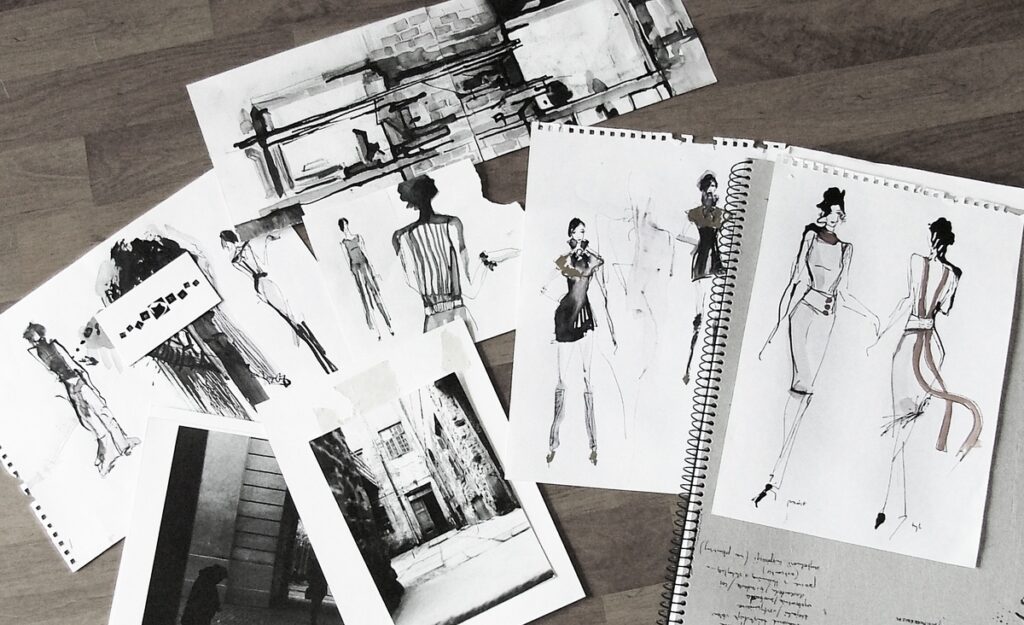
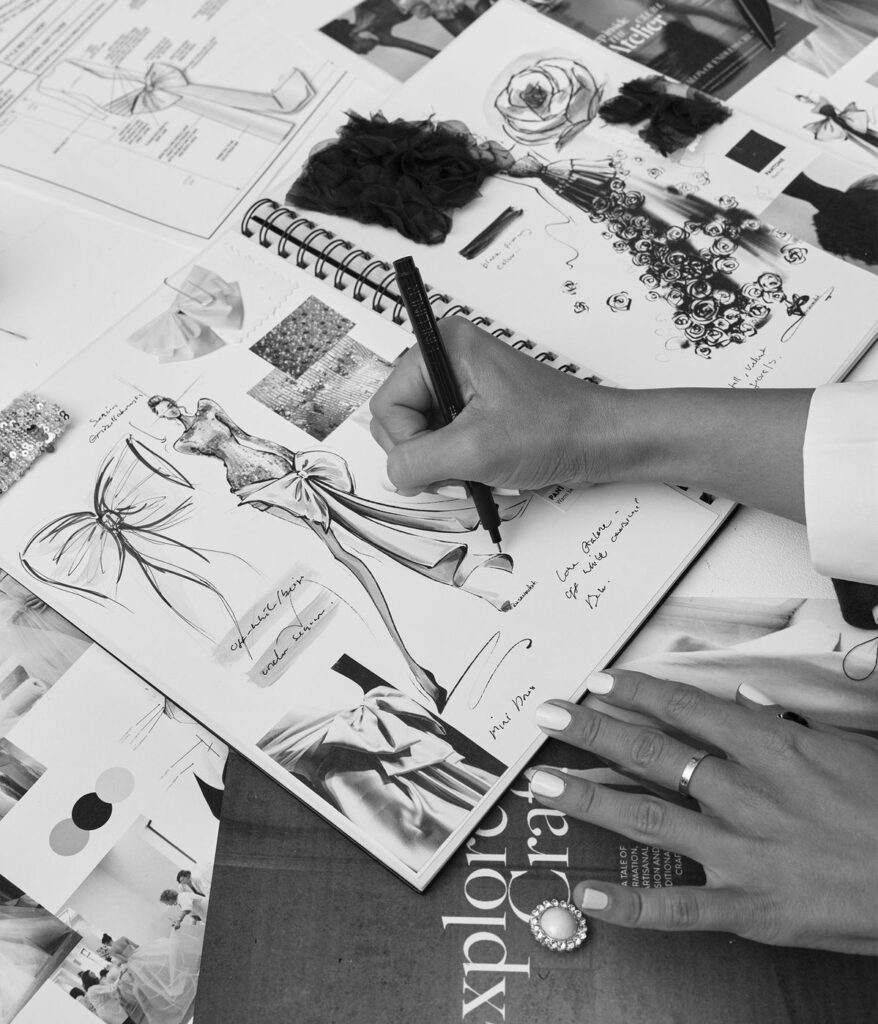
A professional mood board is not a collage of beautiful Pinterest images. It is a visual strategy for your collection. Your mood board should communicate the atmosphere, colours, textures, shapes, materials, and lifestyle of the collection.
Every design decision should connect to the original concept. A strong mood board helps you avoid one of the most common problems in new collections: designing beautiful individual garments that do not look like they belong to the same brand.
4. Plan the Collection Before Creating Samples
Do not start sampling random designs. First, build a collection plan. Decide how many styles you need and how the products work together. Think about tops, bottoms, dresses, outerwear, statement pieces, and commercial pieces. You also need to consider colour options and sizes. This is where an assortment plan and SKU strategy become essential.
A collection is not simply a group of designs.
It is a product system.
5. Understand Pattern Making and Fit
You do not necessarily need to become a professional pattern maker to own a fashion brand. But you must understand the importance of patterns and fit. A beautiful sketch cannot fix a bad pattern. Fit problems lead to alterations, customer complaints, returns, and wasted production. Invest time in developing and testing your basic patterns. Create clear size specifications and test garments on real bodies whenever possible. Fit is part of your brand identity. Customers may forget your Instagram post.
They will remember how your clothes made them feel.
6. Create Professional Samples
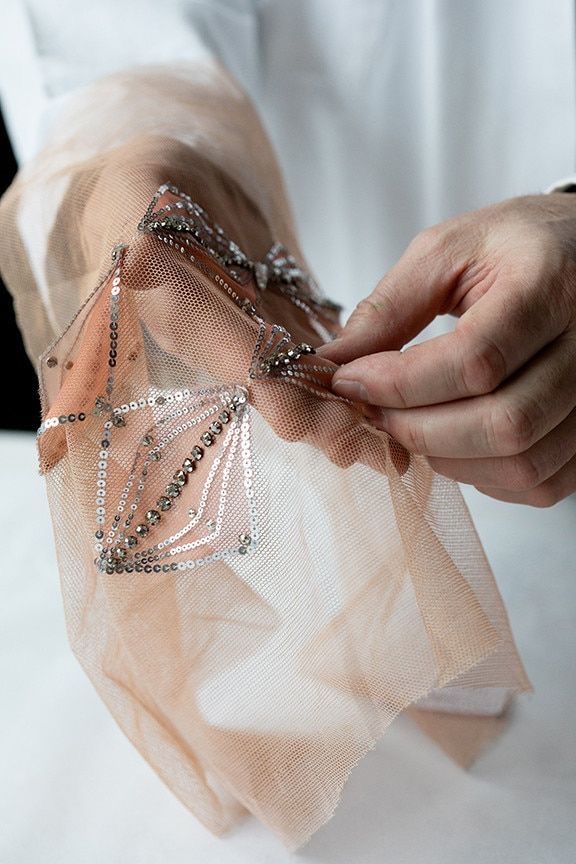
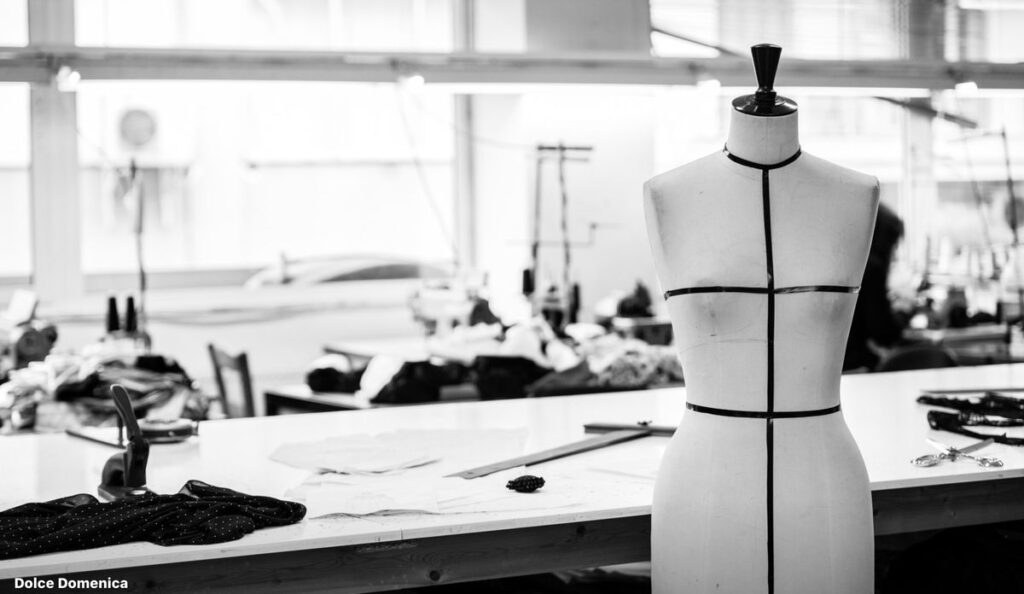
Your first sample is rarely your final product. Sampling is a development process. The garment should be checked for fit, construction, proportions, fabric behaviour, finishing, and production feasibility. Document every correction. Do not rely on verbal instructions alone. A professional fashion brand needs technical information, measurements, and clear production notes. This is where tech packs and specification sheets become extremely important.
8. Calculate Your Costs Before Production
Never decide your retail price after producing the collection. Calculate your costs first. Include fabric, trims, patterns, samples, production, labels, packaging, transportation, photography, website costs, marketing, and taxes where applicable. Then calculate your margin. Many new fashion brands fail because they confuse revenue with profit. Selling a dress for 3,000 does not mean you made 3,000.
Know your numbers before you place a production order.
9. Start With Smart Production Quantities
More stock does not automatically mean more success. For a new brand, overproduction can destroy cash flow. Start strategically. Use small production runs, controlled quantities, pre-orders, or limited drops when appropriate for your business model. Watch what customers actually buy. Your first collection should also give you information. Which colour sells? Which size moves fastest? Which product gets attention but no sales?
Use this information to plan your next production.
10. Build Your Online Presence Before Launch
Do not wait until the collection is ready to start marketing. Build your audience during the development process. Show the inspiration, fabrics, sketches, fittings, samples, and behind-the-scenes moments. Customers enjoy seeing how a product is created. By the time you launch, your audience should already understand the story of your brand.
Your website, social media, product photography, and brand communication should all speak the same visual language.
11. Use AI as a Tool, Not as Your Brand Identity
Artificial intelligence is changing fashion. In 2026, fashion entrepreneurs can use AI for research, content planning, visual concepts, product descriptions, customer analysis, and workflow support. But AI cannot replace a clear creative direction. If every brand uses the same tools in the same way, everything begins to look the same. Use technology to work faster.
Use your vision to remain different.
12. Launch, Analyse and Improve
Your first launch is not the final definition of your brand. It is the beginning of the learning process. Analyse sales, website behaviour, customer questions, returns, sizing issues, and product performance. Identify your best sellers. Listen to your customers without losing your brand identity. Successful fashion brands evolve.
They do not randomly change direction every month.
0 comments