Description
Fashion Design Course Overview
Our Fashion Design Course for beginners provides a complete foundation for anyone who wants to enter the fashion industry with greater clarity, creativity, and confidence.
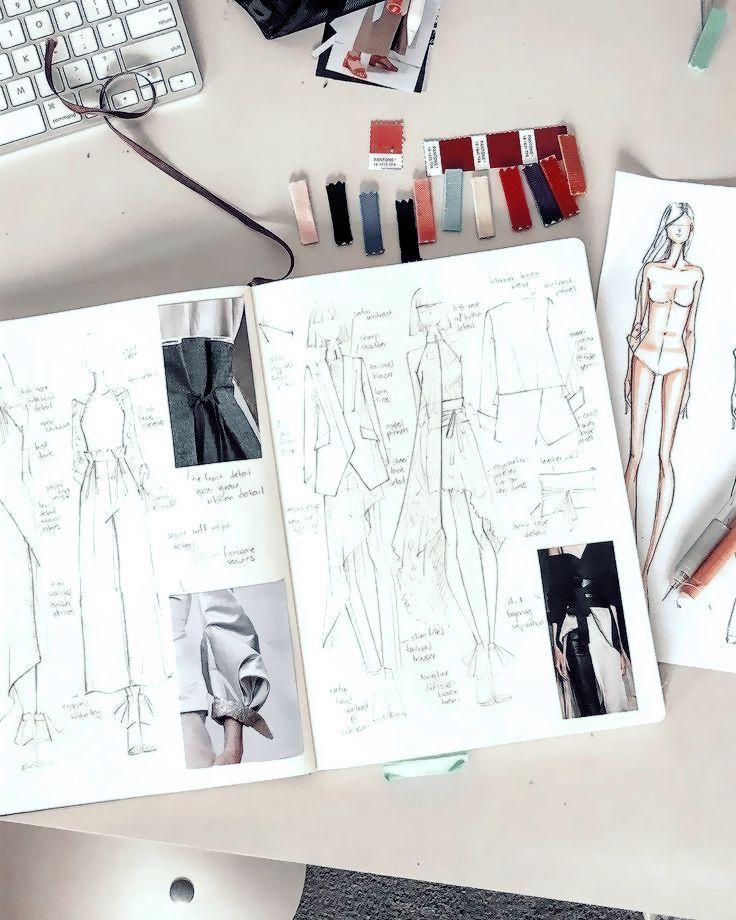
During this intensive diploma, students will follow the fashion design process from the first idea to the presentation of a complete mini collection. They will explore fashion illustration, figure proportions, pose dressing, colour theory, fabric rendering, mood-board development, and collection planning. By the end of the program, every participant will create and present a cohesive mini collection consisting of four to six looks. Students will learn how to transform inspiration into a structured fashion concept with a clear visual identity, colour palette, textile direction, and target customer.
No previous experience is required. The program begins with the fundamentals and gradually guides students through each stage of the creative process.
What Will You Learn?
This intensive Fashion Design Course will help students develop the essential creative and visual skills required to communicate their fashion ideas professionally.
Module 1 — Fashion Fundamentals
Students will be introduced to the essential principles of fashion design and the structure of the fashion system.
- Introduction to the fashion industry.
- Understanding silhouettes.
- Proportion and balance in clothing.
- Basic garment structure.
- The relationship between the body and the garment.
- How design choices affect the overall appearance of a collection.
Module 2 — Pose Dressing and Fashion Illustration
Fashion illustration is one of the main tools designers use to communicate ideas.
- Fashion figure proportions.
- The difference between elongated and realistic figures.
- How to create dynamic fashion poses.
- How to dress the figure correctly.
- How to translate a garment idea onto the body.
- Line quality and sketch refinement.
- How to communicate volume, shape, and movement.
- How to create clearer and more expressive fashion drawings.
Module 3 — Colors Theory in Fashion
Colour plays an essential role in the identity, emotion, and commercial direction of a fashion collection.
- The colors wheel.
- Primary, secondary, and tertiary colors.
- Monochromatic colors schemes.
- Complementary and analogous harmonies.
- The emotional impact of colors.
- Seasonal colors palettes.
- Trend interpretation.
- How to develop a personal colors story.
- How to maintain colors consistency throughout a collection.
At the end of this module, students will create a defined colors palette for their final mini collection.
Module 4 — Fabric Rendering Techniques
Understanding fabric is essential because every textile behaves differently on the body.
- Soft and fluid fabrics.
- Structured textiles.
- Transparent and semi-transparent fabrics.
- Stretch and knitted materials.
- Light, shadow, folds, and texture.
- How to render silk.
- How to render cotton.
- How to render denim.
- How to render knitwear.
- How to render chiffon.
- How to create realistic and expressive finishes.
Module 5 — Mood Boards and Creative Direction
A strong collection begins with clear research and a focused visual direction.
- How to research a fashion concept.
- How to select relevant inspiration.
- How to avoid random or disconnected references.
- How to build a strong visual identity.
- How to combine images, colors, textures, and cultural references.
- The difference between digital and physical mood boards.
- How to edit research material.
- How to use a mood board as a practical design tool.
Module 6 — Mini Collection Development
In the final module, students will apply everything learned throughout the Fashion Design Course.
- Defining a collection concept.
- Identifying a target customer.
- Developing a clear design direction.
- Creating four to six coordinated outfits.
- Maintaining consistency across all looks.
- Developing colors and textile continuity.
- Refining the final illustrations.
- Creating a professional presentation board.
- Final Diploma Project
At the end of the intensive diploma, students will present:
- A complete fashion mood board.
- A defined colors palette.
- Fabric and texture references.
- A clear target-customer profile.
- Four to six coordinated fashion looks.
- Final fashion illustrations.
- A complete collection presentation board.
Who Is This Fashion Design Course For?
This program is suitable for:
- Complete beginners interested in fashion design.
- Aspiring fashion designers.
- Creative students considering a career in fashion.
- Designers who find it difficult to organise their ideas.
- Designers who need guidance in textile and colors selection.
- Fashion entrepreneurs developing their first collection.
- Brand owners who want to create more coherent and commercially focused collections.
- Students preparing a fashion portfolio.
Entry Requirements
No previous fashion-design experience is required.
The program starts from the fundamentals and guides students step by step through the complete creative process.
Students should bring curiosity, commitment, and a willingness to develop their ideas through practical exercises.
Required Tools and Materials
Students will need:
- Photocopy paper.
- Layout paper suitable for marker rendering.
- Fashion sketching markers.
- Dual-tip markers, such as the Touch 80-piece colors marker set or a similar alternative.
- Alcohol blender marker.
- Mechanical pencil, 0.5 mm.
- Colored pencils.
- Notebook or sketchbook for research and concept development.
Equivalent professional materials may also be used.
Certificate
Fashion Designer Diploma
Course Level
Beginner to Intermediate
Start Your Fashion Design Journey
Fashion 101 is designed to help students move from scattered inspiration to a clear and professionally presented mini collection.
Through fashion illustration, colour theory, textile rendering, mood-board development, and collection planning, participants will learn how to organise their ideas and communicate them with greater confidence.
Join the Fashion Design Course for beginners at Italian Fashion Studio and begin developing your personal creative direction. https://italianfashionacademy.com/courses/102-womans-casual-wear/
Reviews
There are no reviews yet.